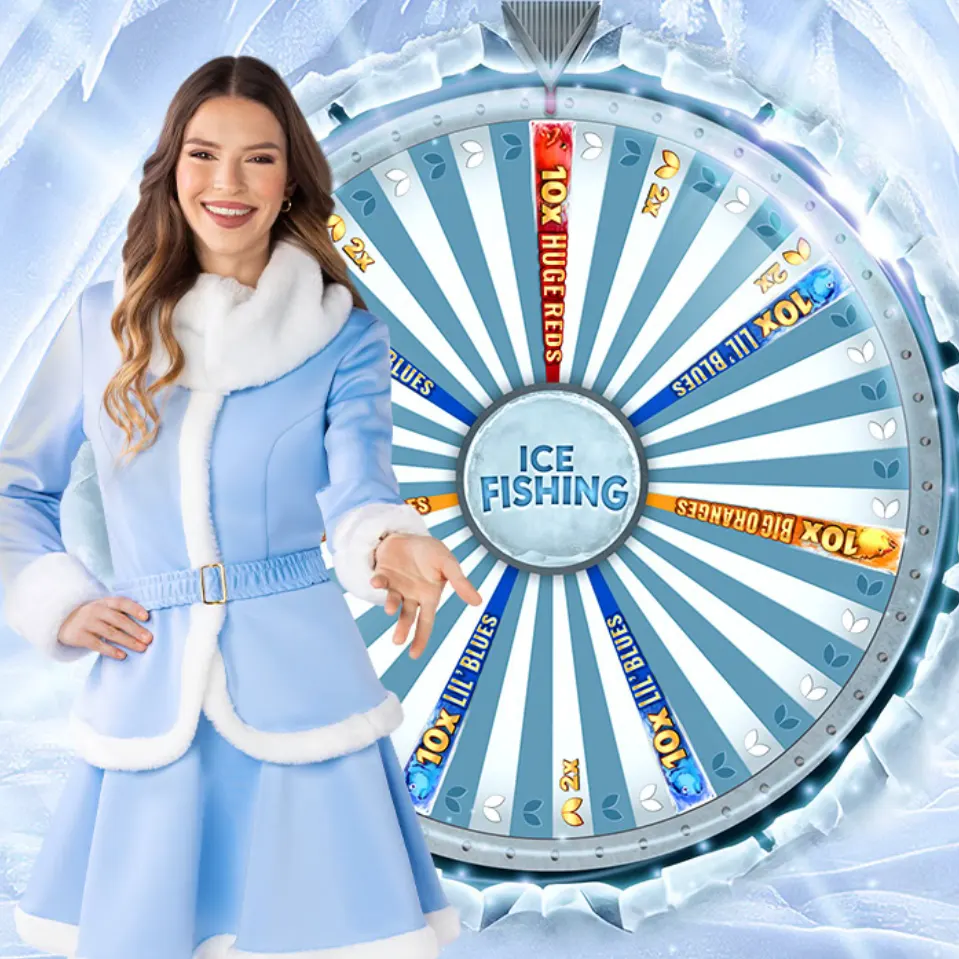
Ice Fishing Game Result Today: Live Tracker and History
Ice fishing game result updates reflect the outcome of each round as it happens, giving you a clear view of how the game progresses over time. Every session produces a sequence of results that can be followed live or reviewed later, depending on how you prefer to track the gameplay.
With access toIce Fishing game result today data and tracking tools, you can observe round-by-round outcomes, review past sessions, and understand how results appear across different stages of play. This information is useful for analysis and observation, helping you stay informed without affecting how the game actually operates.
Ice Fishing Game Results Explained
Every round ends with a specific outcome, and those outcomes build the result stream you see during live play and in the round history afterward. Some rounds return a multiplier, some close without a payout, and together they create the full session picture that players follow, compare, and analyze.
To read that picture properly, it helps to understand where the result comes from and what it shows. The live presentation makes the round visible, but the outcome itself is produced by the game system, which is why the history can be tracked as a sequence of completed rounds rather than as a set of host-driven events.
How Results Are Generated
The live host presents the action, but the host does not decide the outcome of the round. The result is produced by the game logic and then shown through the live format, which keeps the presentation entertaining while leaving the actual outcome under system control.
That distinction matters when you review anIce Fishing game result later. What you are looking at is a finished round generated by the game system, not a manually chosen event and not a continuation of the previous outcome.
What Each Result Represents
A result shows how one round ended at the exact point where the reveal was completed. If a winning value appears, the result reflects the multiplier attached to that round. If no winning value appears, the round closes and becomes part of the broader result sequence without adding a payout.
Looking atIce Fishing game results one by one is less useful than looking at them as a run of completed rounds. The real value of the data comes from seeing how outcomes are spaced, how often multipliers appear, and how the session develops over time.

Ice Fishing Game Score and Outcome View
What matters most is not a label for the result, but the practical information it gives you after each round. A useful result view should help you understand the round quickly and move to the next one without confusion.
A clear outcome record usually helps you track:
- whether the round ended with a win or no return
- which multiplier appeared on the round
- where the round sits inside the wider session sequence
- how close winning outcomes appear to one another
- how the overall flow of the session is developing
This is the kind of information players focus on when reviewingIce Fishing game score patterns. It gives context to the session and makes the result history easier to read without turning the page into a technical breakdown.
Ice Fishing Game Result Today and Live Updates
Live result tracking is useful because it shows how the session is unfolding right now, not only how it looked in the past. Instead of waiting until the end of a long stretch of play, you can follow each completed round as it appears and build a clearer picture of the game’s immediate rhythm.
That live view becomes more valuable when you combine it with recent round history. A single outcome tells you what just happened, but a short run of outcomes helps you see how the current session is moving from one reveal to the next.
Tracking Ice Fishing Game Result Today
The most practical way to follow the game is to watch the latest completed rounds in order and keep the current session separate from older history. This makes it easier to understand what belongs to the live cycle and what belongs to previous play.
When you checkIce Fishing game result today, the goal is not to isolate one lucky round but to see the session as a sequence. That same approach makesIce Fishing game result today live updates more useful, because each new entry gains meaning from the rounds that came before it.

How Live Results Are Displayed
A good live result view should make each completed round easy to read at a glance. You should be able to see the newest outcome immediately, understand where it sits in the sequence, and continue following the session without losing orientation.
A strong live display normally helps you track:
- the newest completed round first
- the order of recent outcomes
- visible multiplier results when they appear
- gaps between notable hits
- the transition from one round to the next
This kind of structure keeps the session readable even when rounds are moving quickly.
Understanding Result Sequences
A sequence becomes useful when you stop treating every round as a separate event and start reading the flow between them. Some stretches feel more active because multipliers appear closer together, while others move through longer gaps before the next notable result.
That does not mean the sequence is creating a rule for what happens next. It simply means the round history is easier to interpret when you read it as connected session data rather than as a collection of unrelated isolated outcomes.
Ice Fishing Game History and Tracking Tools
Looking at recent rounds is useful, but a longer view gives you better context. When you scroll back through completed sessions, you start to see how the game behaves over time instead of focusing only on what just happened.
This is whereIce Fishing game history becomes more valuable. It allows you to step outside the current round and view how outcomes have appeared across a wider stretch of play, which helps you read the session more clearly.
Ice Fishing Game History Overview
History is simply a record of completed rounds arranged in order. Each entry reflects a finished outcome, and together they form a continuous timeline of the game.
When reviewingIce Fishing game history, players usually look for:
- how often multipliers appear across sessions
- how outcomes are spaced over time
- how different sessions compare to each other
- how long certain stretches last without a notable result
This broader view adds perspective that is not visible in live-only tracking.
Ice Fishing Game Tracker and Tracking Methods
A tracker organizes results into a format that is easier to follow than a simple list. Instead of scanning individual rounds, you can read grouped outcomes and identify how the session is developing.
AnIce Fishing game tracker orIce Fishing game tracking tool typically helps you:
- follow recent rounds in sequence
- group results into short session blocks
- compare current results with previous runs
- identify clusters and gaps more quickly
The goal is not to predict outcomes but to make the data easier to read.

How to Read Result Patterns
Patterns in the result history come from how outcomes are distributed, not from a hidden rule inside the game. Some sessions show tighter grouping of multipliers, while others stretch out between notable results.
To read these patterns more effectively, focus on:
- the distance between multiplier results
- the length of quieter stretches
- the frequency of changes in outcome type
- how one session differs from another
This approach keeps the analysis grounded in observation rather than assumption, which is important when working with any form of round-based result tracking.
Ice Fishing Game Prediction: What You Should Know
It’s natural to look at past results and wonder if they can be used to anticipate what comes next. However, the way the game is built does not support reliable prediction. Each round is generated independently, and previous outcomes do not influence future ones.
That is why any discussion aroundIce Fishing game prediction needs to stay grounded in how the system actually works rather than in assumptions based on short-term sequences.
Can You Predict Ice Fishing Game Results
There is no method that allows you to predict the exact outcome of the next round. The system produces each result separately, and the sequence you see is a record of completed rounds, not a pattern that controls future ones.
Even if a session appears to show a certain rhythm, that does not translate into a rule you can apply to upcoming rounds. The next result is always generated without dependence on what came before.

Common Misconceptions About Prediction
When reviewing result history, it is easy to fall into patterns of thinking that seem logical but do not reflect how the game operates.
Some common misconceptions include:
- believing that a long gap guarantees an upcoming multiplier
- assuming that frequent wins will continue in the same way
- treating short sequences as fixed patterns
- expecting outcomes to “balance out” in the next rounds
These ideas come from how sequences look, not from how results are actually produced.
Smart Way to Use Result Data
Instead of trying to predict outcomes, it is more useful to treat result data as a way to understand session flow. You can observe how rounds are distributed, how often certain outcomes appear, and how the pacing feels over time.
This approach helps you stay aware of the game’s behavior without expecting control over future results, which keeps your interpretation realistic and grounded.
Using Results to Improve Your Play
Result data becomes more useful when you apply it to how you approach your sessions rather than trying to extract predictions from it. The goal is to stay aware of pacing, manage your participation, and keep your decisions consistent instead of reacting to every individual outcome.
By looking at results in this way, you turn tracking into a practical tool rather than a source of assumptions.
Tracking Your Own Sessions
Following your own play over a series of rounds can help you understand how long you stay active, how often you place bets, and how your session develops over time. This personal tracking adds context that general result history cannot provide.
When you compare your activity withIce Fishing game results, you start to see how your decisions fit into the broader flow of the game instead of focusing only on isolated rounds.
Managing Round Participation
One of the most practical uses of result observation is deciding when to stay active and when to pause. Because rounds move quickly, it is easy to continue playing without noticing how long a session has been running.
Keeping an eye on the flow of outcomes helps you stay more deliberate about your participation, especially during longer sessions.

Avoiding Overinterpretation
It is easy to assign meaning to short sequences, especially when results appear to form patterns. However, these patterns do not carry predictive value, and relying on them can lead to unnecessary decisions.
A better approach is to use result tracking as a reference point rather than as a decision-making rule. This keeps your play grounded and prevents you from reacting to temporary sequences as if they were fixed trends.
FAQ
How can I checkIce Fishing game result today?
You can follow the latest completed rounds through live tracking or result history tools that display outcomes in sequence.
Is there anIce Fishing game tracker available?
Yes. Tracking tools organize results into a readable format, helping you follow recent rounds and review session history.
Can I predictIce Fishing game results?
No. Each round is generated independently, so previous outcomes do not determine future results.
What doesIce Fishing game history show?
It shows a sequence of completed rounds, allowing you to review how outcomes appeared over time.
Are results random or controlled?
Results are generated by the game system and are not influenced by manual decisions or previous rounds.
How should I use result data?
It is best used for observation and understanding session flow rather than for prediction or control.
What is the difference between live results and history?
Live results show the most recent rounds, while history provides a longer view of past outcomes.